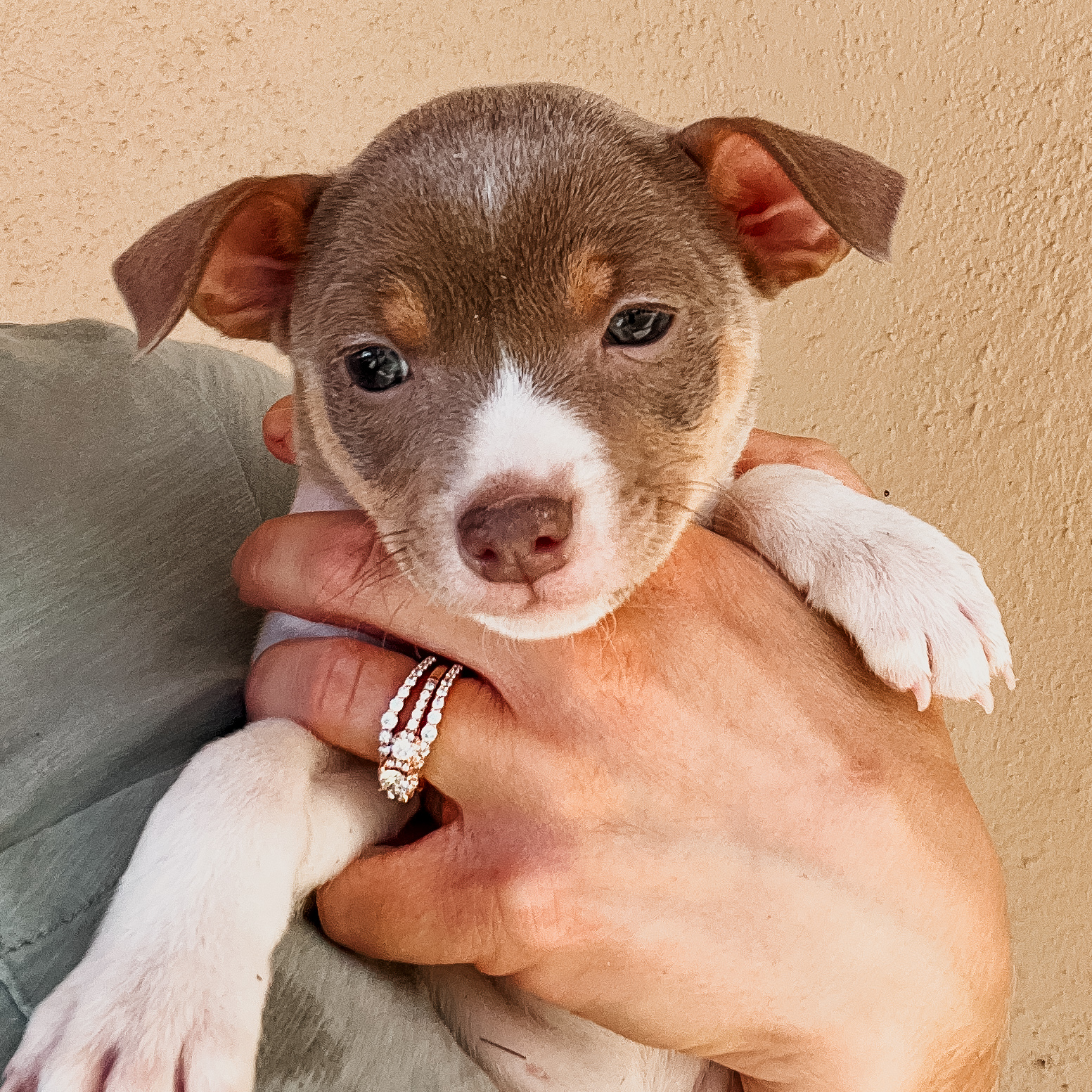
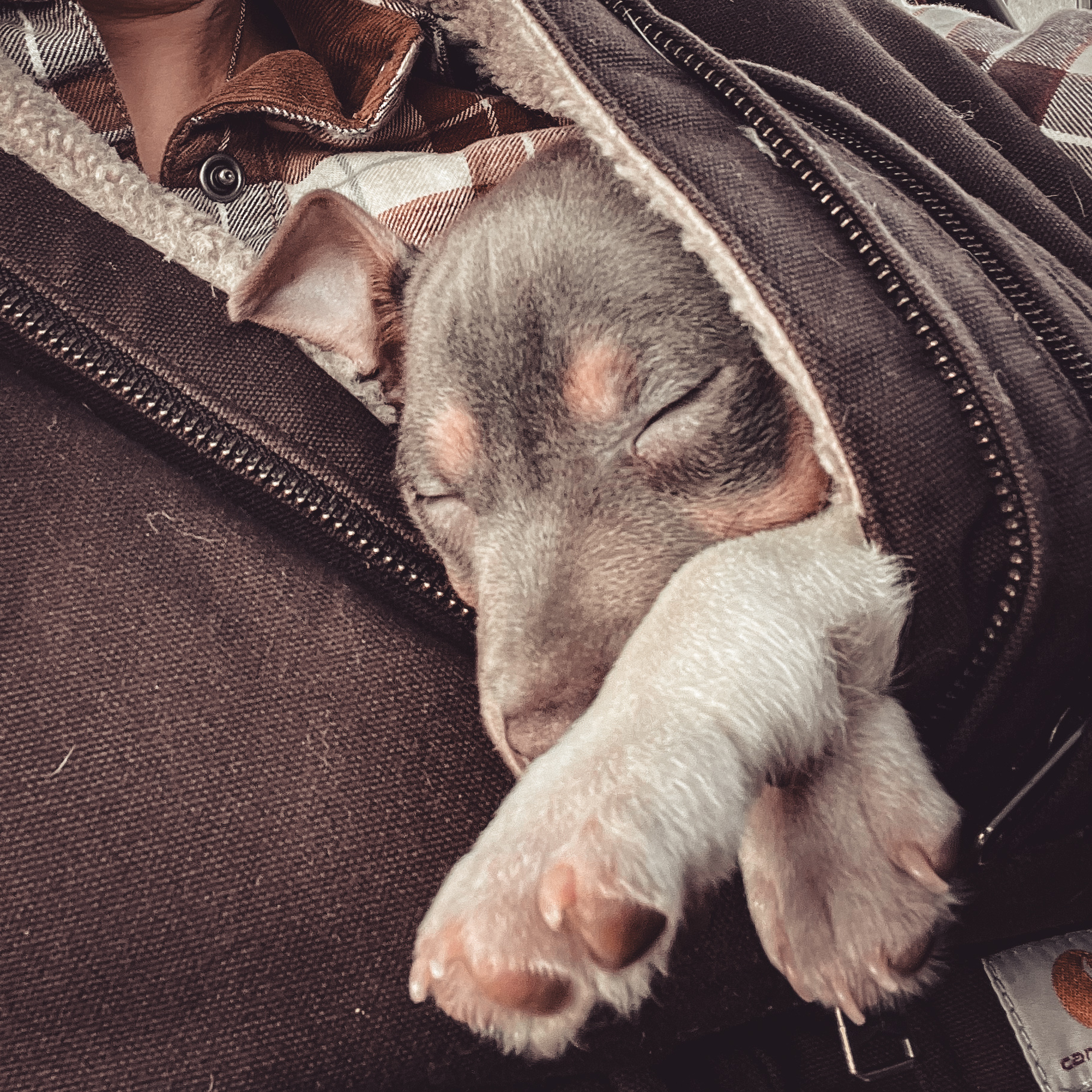
Rat Terriers have a way of stealing hearts.
Most of the families who contact me aren’t new to the breed. In fact, it’s usually the opposite — they had a Rat Terrier years ago and still talk about that dog like it was one of the best companions they ever had. Or they adopted a mix and fell in love with the intelligence, personality, and devotion that clearly came from the Rat Terrier side.
And here’s where it gets tricky…
Many of those dogs were free. Or close to it.
So when families start looking for a puppy from a breeder, the price can feel shocking at first.
I completely understand that hesitation — and it’s exactly why choosing the right breeder matters so much.
Because when you’re not just buying “a Rat Terrier,” but a carefully raised puppy bred for temperament, health, stability, and long-term companionship, the experience is entirely different.
Let me help you know what to look for.
Not All Rat Terriers Are the Same
People often assume a Rat Terrier is a Rat Terrier. But within the breed, there are huge differences in:
-
temperament stability
-
anxiety levels
-
trainability
-
social confidence
-
health and longevity
-
predictability in adulthood
When someone loved their old Rat Terrier mix, they’re remembering a personality — a dog that fit into their life beautifully.
Good breeders intentionally reproduce those traits.
Poor breeders (or accidental litters) produce unpredictability. Sometimes you get lucky. Sometimes families end up overwhelmed with high-strung, nervous, reactive dogs that don’t resemble the companion they were hoping for.
That’s not bad luck — that’s genetics and early raising.
What a Responsible Rat Terrier Breeder Actually Does
A quality breeder isn’t just someone with puppies. They are intentionally shaping the next generation. Here’s what matters:
1. Temperament-Driven Pairings
Responsible breeders don’t just breed for looks. They select parents based on personality traits such as:
-
emotional stability
-
gentleness
-
sociability
-
confidence
-
adaptability to home life
This is what creates that sweet, easy, human-focused Rat Terrier people adore.
2. Health Testing
Both parents should be genetically tested (like Embark) to reduce risk of inherited disease and structural problems and produce healthier, longer-living dogs.
Without this, you’re rolling the dice.
3. Predictable Raising Environment
Puppies raised in calm, structured, loving environments grow into confident adults. Early neurological and emotional development matters more than people realize.
4. Breeder Support
A good breeder stays connected and available. They care where their puppies go and help families succeed long-term.
The Hidden Cost of “A Good Deal” — My Story With Dakota
I want to share something personal, because many Rat Terrier families come to me after loving a shelter dog or mix they felt was “the best deal ever.”
Years ago, I adopted a little Rat Terrier-type dog from a shelter. I adored her so much that I later named my daughter Dakotah after her.
At the time, I thought I had found the deal of a lifetime. She was only $175 and already spayed, vaccinated, and house trained. I felt so lucky.
But six months later, I noticed her rear leg locking when she ran. She couldn’t bear weight and it was inflamed and hot. The vet diagnosed a luxating patella — loose ligaments that allow the kneecap to slide out of place, making movement painful and unstable.
She was barely a year old when I was told my options:
-
Lifelong anti-inflammatories (hard on the liver), or
-
$4,000 knee surgery
And likely another surgery on the other leg within 18 months.
For eight weeks after surgery, I had to walk her in a sling just so she could go to the bathroom.
I chose surgery because I loved her — but she was no longer a “deal.”
This isn’t meant to scare anyone or shame shelter dogs. They are wonderful and lovable. But unknown genetics can carry hidden risks, and many families simply aren’t prepared for sudden, expensive medical surprises.
It’s far easier to plan ahead and invest in a puppy from health-tested parents to greatly reduce that risk.
Good breeding protects families from heartbreak and protects dogs from preventable suffering.
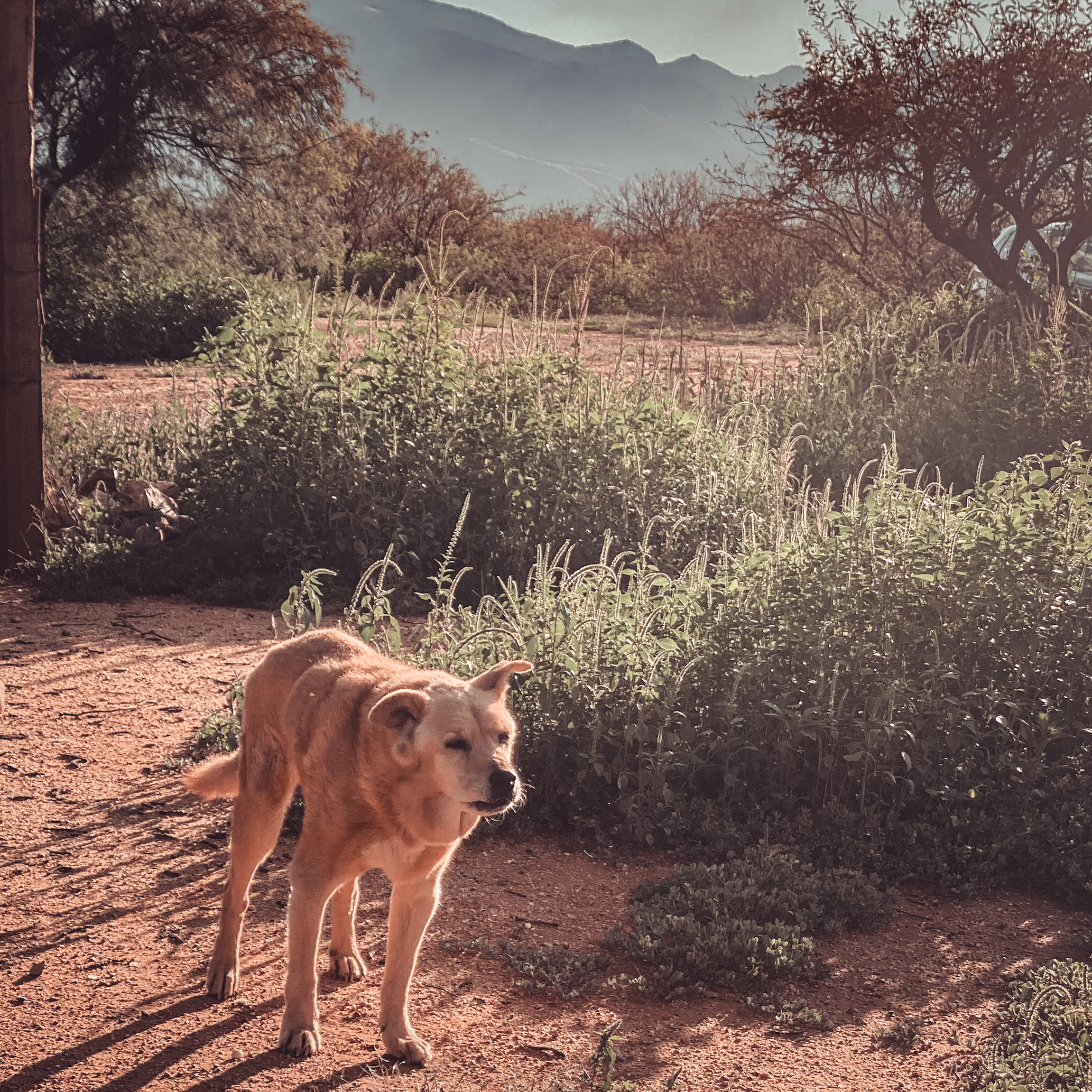
Our stud Kyle sleeping with my son in the RV when he was a puppy.
Why the Price Feels Different (and Why It’s Worth It)
When your previous Rat Terrier was free, it’s easy to compare price tags. But a responsibly bred puppy includes:
-
generations of selective temperament breeding
-
genetic health testing
-
proper early development
-
predictability in personality
-
breeder guidance and long-term support
You’re not just paying for a puppy.
You’re paying for stability, peace of mind, and a much higher chance of getting the companion you loved before.
Questions You Should Always Ask a Rat Terrier Breeder
-
Are the parents health tested?
-
How would you describe the parents’ temperaments?
-
Are your dogs bred for companionship or high drive?
-
How are puppies raised?
-
Do you help match puppies to families?
-
Do you offer ongoing support?
- Do you take them back if for some reason I can no longer care for the dog? (We will always take one of our dogs back, at any age, in any condition, no questions asked about your situation).
If a breeder can’t clearly answer these, keep looking.
One of the Most Overlooked Benefits of a Good Breeder: You’re Never Alone
Something families rarely consider is what happens after they bring their puppy home.
With shelter dogs or accidental litters, you’re on your own. There’s no one who knows your dog’s background or is invested in helping you navigate challenges.
A responsible breeder becomes your teammate.
You have someone who:
-
knows the parents and bloodline
-
understands common behaviors and health tendencies
-
cares about your dog’s success
-
responds when you reach out
Whether it’s feeding, training, reassurance, or problem-solving — you’re never alone. And that support is priceless.
The Goal Isn’t Just a Puppy — It’s the Right Puppy
Rat Terriers are deeply loyal, intelligent, and emotionally connected to their families. When bred and raised intentionally, they become extraordinary companions that fit seamlessly into home life.
That’s what families remember.
That’s what they’re really searching for again.
And that’s why finding a responsible breeder matters.